 August 24, 2026
 Monday Motivation
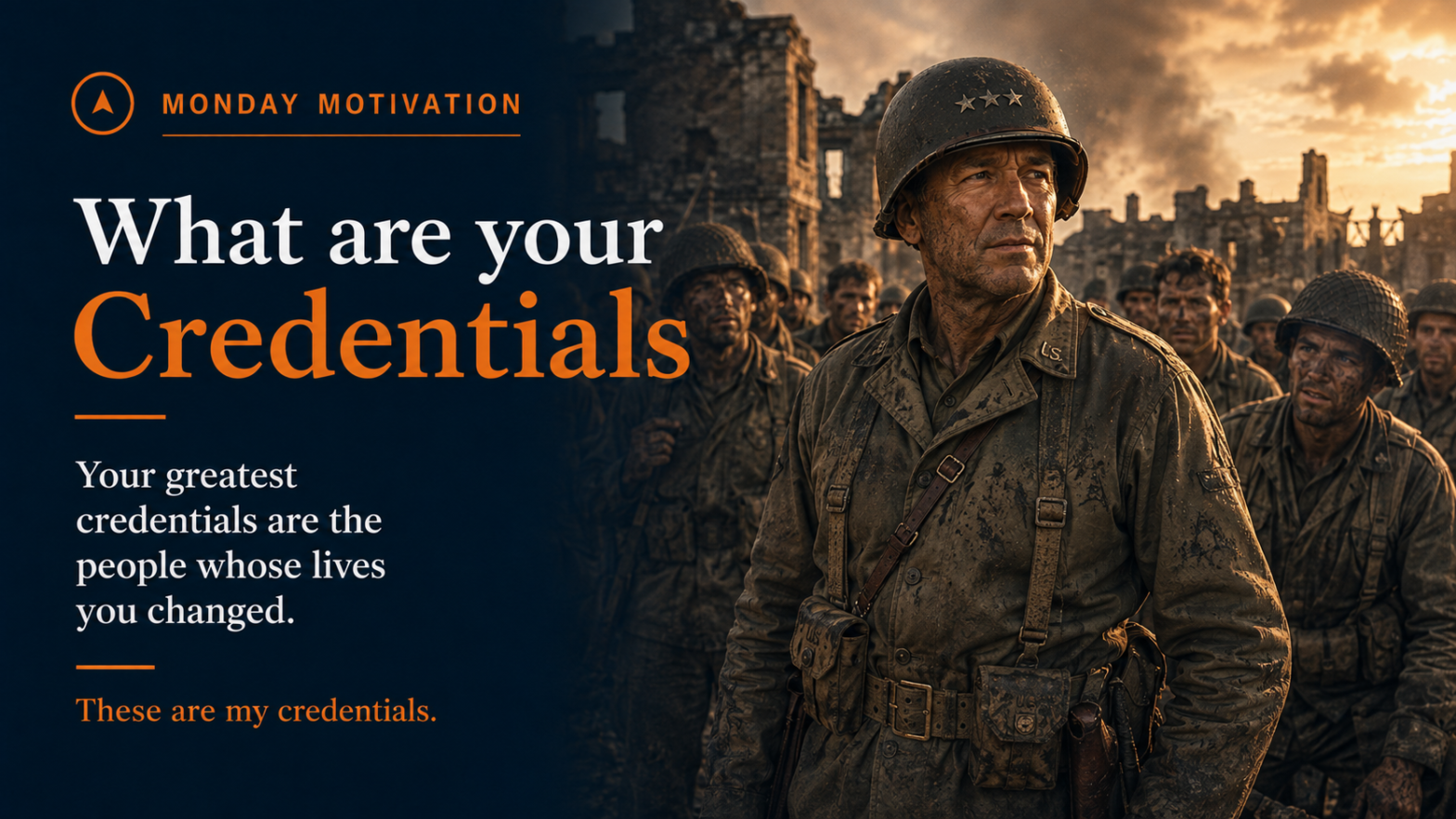
Mississippi native Charles D. W. Canham became one of the U.S. Army’s most memorable leaders. After graduating from West Point in 1926, he was commissioned as an infantry officer. During World War II, he led the 116th Infantry. He and his men were chosen to be among the first to land at Omaha Beach on D Day. Shortly after hitting the beach, Canham was shot through the wrist, but he refused to evacuate and continued leading his men forward.
During the closing days of World War II, Canham was commanding the U.S. 8th Infantry Division during the Battle of Brest. They faced more than 30,000 battle hardened German troops defending the French port city of Brest. General Hermann Bernhard Ramcke vowed that his troops would resist the Americans to the last man.
For 44 days, the brutal fight endured, but the Allied forces won. When Canham went to Ramcke to accept his surrender, Ramcke could not believe Canham was a general. He looked like an ordinary soldier. Enraged that he was not surrendering to someone who looked like a general, Ramcke demanded to see Canham’s credentials, proof of his rank and authority.
Canham simply pointed toward the dirty, tired, bloody, and exhausted American soldiers standing behind him, who even looked like him, and said, “These are my credentials.”
The 8th Infantry Division later adopted “These Are My Credentials” as its official unit motto.
Canham’s credentials were not the stars on his shoulders, the orders he possessed, or the title attached to his name. His credentials were the men who followed him, fought beside him, trusted him, and were willing to die for him. Their presence testified to his leadership more than a title or a position of power ever could.
What are your credentials?
What do you point to in order to validate your worth? Many strive for degrees, titles, positions, awards, and accomplishments. There is nothing wrong with those things. But the most important credentials we have are found in the lives of the people into whom we have invested ourselves. They are found in the lives of the people we have changed and the people who would follow us anywhere.
Your greatest credentials are the people who follow you, the people who love you, the people you have discipled, and the people in whom you have invested.
They are the people who trust you not because they have to, but because you have earned their trust. They are the people who are stronger because you encouraged them, wiser because you taught them, and more confident because you believed in them. They are the people you took the time to walk beside and make a difference in their lives.
Your credentials may be your children carrying the lessons you taught them. They may be a young leader who found courage because you believed in him, an employee who became a leader because you gave him an opportunity, a friend who kept going because you showed up when life became difficult, or a person whose faith grew because you patiently walked alongside them and discipled them.
They may be those whom society has forgotten and thrown away, but you gave them worth. They may be people who do not have much money or power, but you loved them not because of what you could get from them, but because of what you could give them.
These are your credentials.
The bottom line is this: Leadership is measured in people. The strongest evidence of a leader’s life is not what they personally accomplished or the awards they may boast about, but what happened in the lives of others because they were there. Because of your presence, they continue your work.
A great leader does more than gather followers. A great leader develops people. A great teacher develops students who eventually teach. A great mentor develops people who eventually mentor others. A great parent rears children who carry wisdom into another generation. A great disciple maker develops disciples who make disciples.
That is multiplication, and multiplication may be the highest form of leadership.
Someday, someone else will sit in your chair. Someone else will occupy the position you once held. The certificates, the trophies, and the résumés will no longer be important. But the people you have invested in will continue to be your credentials long after you are gone.
Focus on building your credentials. Spend time investing in others. Encourage someone who is struggling. Open a door for someone who is ready. Teach someone who wants to learn. Notice the person everybody else overlooks. Lift others up to become better.
Leadership is not about how far you go. It is about how many people go farther because you helped them along the way.
And one day, if you ever ask yourself whether you made a difference, look back and see the people who followed you because you were there and lifted them up. In that moment, you will be able to say:
“These are my credentials.”
Practical reflections for pastors and leaders who want to build healthier people, ministries, and organizations.
Explore all Articles →

Short, practical reflections every Monday to help leaders think clearly, lead faithfully, and live with character.
View all Monday Motivation →Invite Dan to speak, coach, or consult with your organization.
Contact Dan